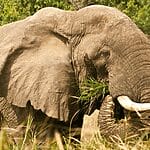
In a world where the majestic elephant symbolizes both natural beauty and grandeur, the dark shadow of the ivory trade looms large. This ruthless trade, driven by human desire for ornamental ivory, has led to a heart-wrenching decline in elephant populations.
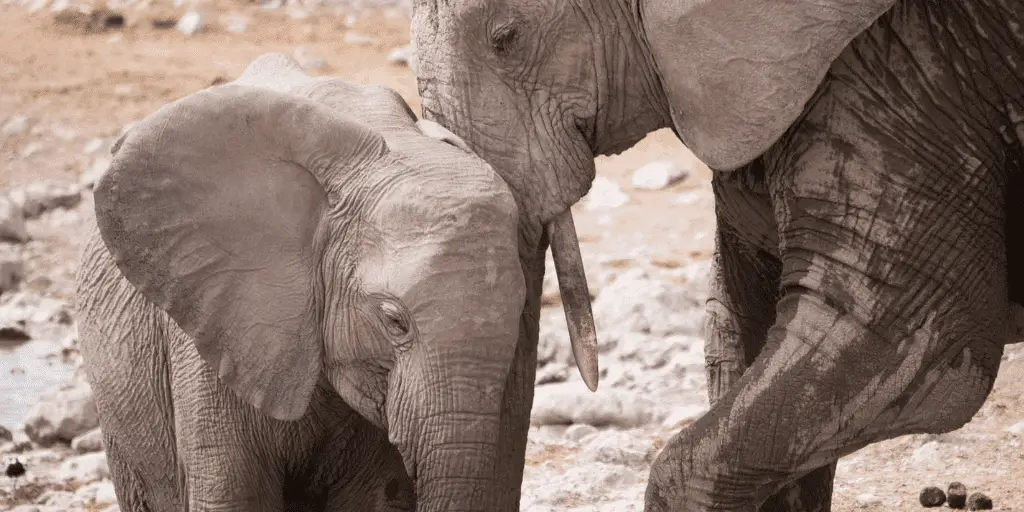
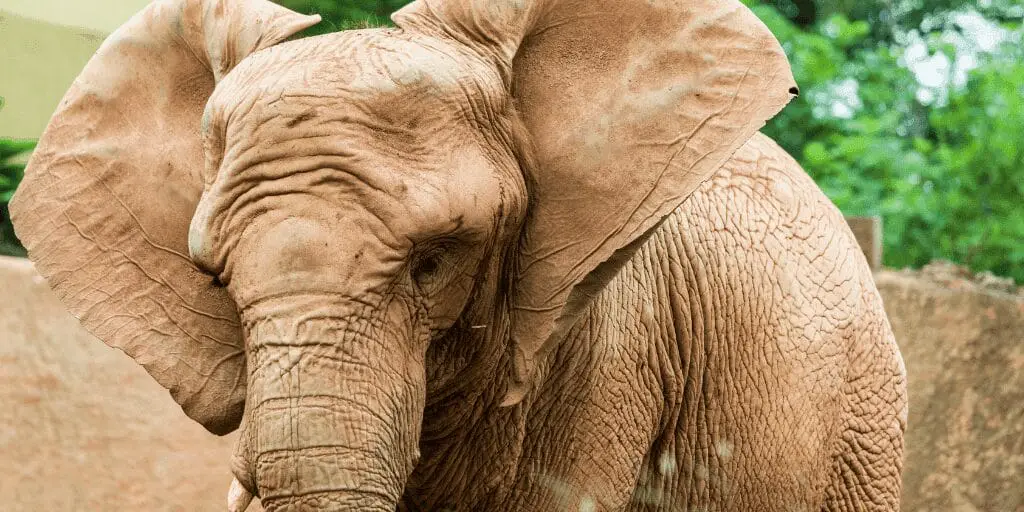
Once numbering in the millions, Africa’s elephants have dwindled alarmingly; recent estimates suggest fewer than 415,000 remain, a stark testament to the devastating impact of ivory demand.
But what fuels this relentless pursuit of ivory, and at what cost? The answer lies in a complex web of illegal activities, regulatory loopholes, and a persistent market demand that continues to threaten these gentle giants.
In this exploration, we delve into the intricate and often harrowing world of the ivory trade. We promise to unravel the layers of this global issue, offering insights into its causes, consequences, and the ongoing battle to save one of Earth’s most iconic species.
What Is the Ivory Trade?
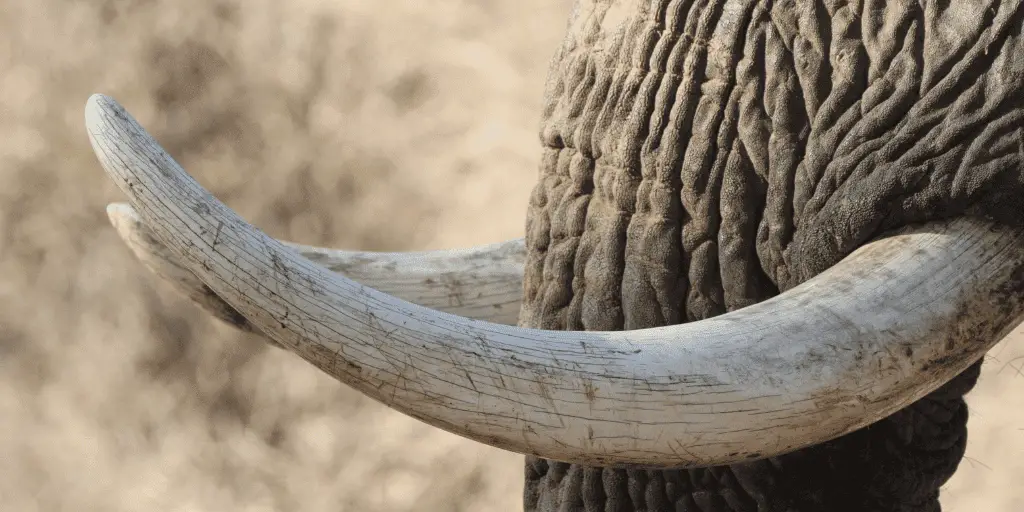
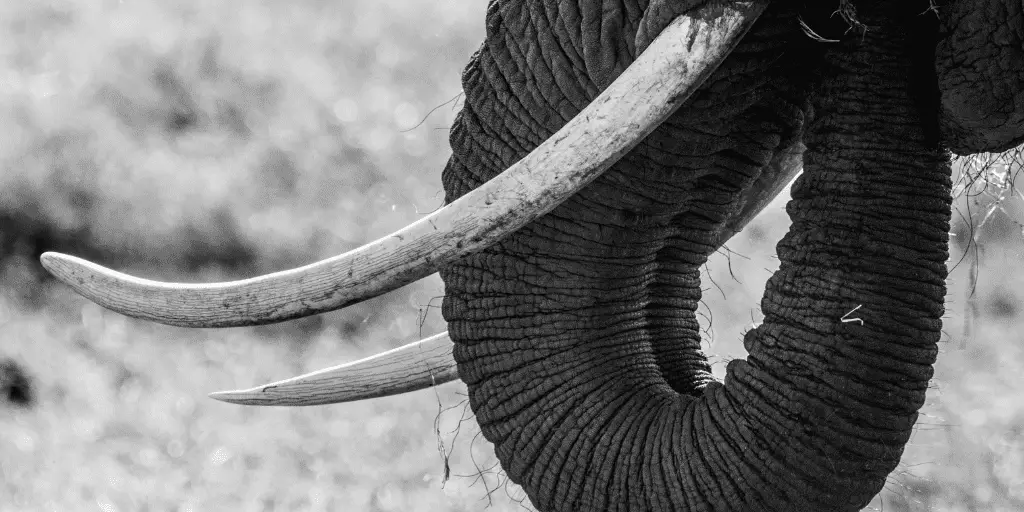
The elephant ivory trade refers to the commercial buying and selling of ivory, primarily obtained from the tusks of elephants. It encompasses both legal and illegal activities, with a significant portion involving the poaching of elephants, an endangered species.
This trade has been a major factor in the dramatic decline of elephant populations worldwide, particularly in Africa. Delving deeper, the ivory trade’s history is steeped in both cultural significance and controversy. Historically, ivory has been prized for its beauty and rarity, used in the creation of art, jewelry, and various decorative items.
However, the demand for ivory, especially in the 20th and 21st centuries, has led to rampant illegal poaching. Despite international bans and efforts to control the trade, illegal networks continue to operate, exploiting loopholes in regulations and fueling a black market.
What Is the Ivory Trade Used For?
The ivory obtained from the trade has diverse uses, driving its persistent demand. Primarily, ivory has been historically valued for its aesthetic appeal and durability, making it a preferred material for a variety of products.
These include intricate carvings, jewelry, musical instruments like piano keys, and religious artifacts. In some cultures, ivory is also seen as a status symbol, with its possession reflecting wealth and prestige.
However, the use of ivory extends beyond mere ornamentation. It has been employed in the creation of practical items such as billiard balls, handles for cutlery, and inlays for furniture.
In the art world, ivory’s fine grain and ability to be carved into detailed sculptures have made it a favored medium for artists and craftsmen throughout history.
Despite its varied applications, the critical issue remains the source of the ivory. With the majority of ivory coming from illegally poached elephants, these uses have significant ethical and conservation implications.
The challenge lies in finding sustainable and ethical alternatives that satisfy cultural and artistic needs without contributing to the endangerment of elephant populations.
Impact of Ivory Trade
The impact of the ivory trade is profound and far-reaching, affecting not just the elephant populations but also ecological balance, local communities, and global biodiversity. The most immediate and devastating effect is the drastic reduction in elephant numbers.
In Africa alone, elephant populations have plummeted due to poaching for ivory, with some species facing the threat of extinction. Beyond the loss of wildlife, the ivory trade fuels illegal activities and organized crime.
Poaching operations often have links to criminal networks, exacerbating issues like corruption, violence, and instability in regions heavily impacted by the trade. This illegal activity diverts resources from conservation and sustainable development, hindering economic growth in communities that could otherwise benefit from ecotourism.
Ecologically, elephants play a crucial role in their habitats. They are known as ‘ecosystem engineers’ for their ability to shape their environment, which benefits other species. The loss of elephants disrupts these ecosystems, leading to unforeseen consequences for biodiversity.
Internationally, the ivory trade poses a challenge to wildlife conservation efforts. It raises ethical concerns about animal rights and the moral responsibility of humans to protect endangered species.
The trade’s persistence highlights the need for stronger international cooperation, stricter enforcement of wildlife trade laws, and more effective conservation strategies.
Addressing the ivory trade’s impact requires a multifaceted approach, balancing conservation needs with the socio-economic realities of communities living alongside these majestic creatures.
Why Is Ivory So Expensive?
The high cost of ivory can be attributed to several factors, making it a lucrative but controversial commodity. Firstly, the rarity of ivory plays a significant role in its value. As elephant populations decrease due to poaching and habitat loss, ivory becomes scarcer, driving up its price.
This scarcity is compounded by the legal restrictions and bans on the ivory trade, which, while aimed at protecting elephants, inadvertently create a black market where ivory’s value is inflated.
Secondly, the cultural and historical significance of ivory adds to its allure and price. In many cultures, ivory has been associated with wealth, status, and power for centuries. This cultural value means that people are willing to pay high prices for ivory items, whether for personal use, as collectibles, or for artistic purposes.
Furthermore, the craftsmanship involved in creating ivory products also contributes to its cost. Ivory carving is a skilled art, and the intricacy and time required to produce detailed works make these items more valuable.
Lastly, the illegal nature of much of the ivory trade means that there are additional risks and costs associated with smuggling and selling ivory. These costs are passed on to the consumer, further increasing the price of ivory products.
Why Is Ivory Illegal?
Consequently, the illegality of ivory in many jurisdictions is primarily due to the critical need to protect elephant populations.
The international ban on the commercial trade of ivory, established in 1989 by the Convention on International Trade in Endangered Species of Wild Fauna and Flora (CITES), was a response to the alarming decline in elephant numbers caused by widespread poaching for their tusks.
The ban aims to curb the demand for ivory, which is a significant driver of elephant poaching. By making the trade illegal, it becomes more difficult and risky for poachers and traffickers to sell ivory, theoretically reducing the incentive to kill elephants.
This legislation is crucial for the conservation of elephants, which are not only iconic species but also play a vital role in their ecosystems.
However, enforcing this ban is challenging. Illegal ivory markets still exist, and the high value of ivory continues to motivate poachers and traffickers. The ban also faces criticism for potentially increasing the black market value of ivory and for not addressing the socio-economic factors that drive individuals to poach.
What Is Being Done to Stop the Ivory Trade?
In response to the critical situation, concerted efforts are being made globally to halt the ivory trade. One key strategy is strengthening legal frameworks. This involves tightening international regulations, such as those under CITES, to close loopholes that allow for the illegal trade of ivory.
Additionally, improving national laws in various countries is crucial to ensure that domestic markets do not contribute to the demand for illegal ivory.
On the enforcement front, anti-poaching initiatives are being ramped up. These include deploying more wildlife rangers and using advanced technology like drones for surveillance in key elephant habitats.
There’s also a significant focus on cracking down on trafficking networks. This involves international cooperation between law enforcement agencies to dismantle the criminal syndicates involved in the ivory trade.
Public awareness and education play a pivotal role too. Through campaigns and advocacy, organizations are working to change public perception and reduce the demand for ivory.
The role of media and influencers in spreading this message is invaluable, helping to reach a wider audience and foster a global movement against the ivory trade.
These multifaceted approaches are crucial in the fight to save elephants and put an end to the ivory trade. By addressing the issue from legal, enforcement, and public perspectives, there’s hope for a future where elephants thrive free from the threat of poaching.
Strategies for Stopping the Ivory Trade
Several strategies are being implemented to effectively stop the ivory trade. One of the primary approaches is enhancing international collaboration.
This involves countries working together to enforce bans, share intelligence, and support each other in anti-poaching and anti-trafficking efforts. Such global cooperation is essential, given the transnational nature of the ivory trade.
Another critical strategy is the empowerment of local communities. By providing alternative livelihoods and involving local people in conservation efforts, the incentive to engage in poaching can be significantly reduced. Community-based conservation projects have shown promising results in reducing poaching and promoting sustainable development.
Technological advancements also play a vital role. The use of technology, such as DNA analysis to trace the origins of seized ivory, helps in prosecuting traffickers and understanding poaching hotspots. Drones and other surveillance technologies are increasingly used for monitoring elephant populations and detecting poaching activities.
Furthermore, demand reduction campaigns are crucial. These campaigns aim to change consumer attitudes towards ivory, particularly in countries with high demand. By reducing the desirability of ivory products through education and awareness, the market for ivory can be diminished.
Lastly, supporting and funding conservation research is essential. This research helps in understanding elephant behavior, tracking migration patterns, and developing more effective conservation strategies.
FAQs
Is Ivory Worth More Than Gold?
Ivory can be more valuable than gold in certain markets, primarily due to its rarity and cultural significance. The illegal nature of the ivory trade and the dwindling elephant populations contribute to its high value, sometimes surpassing gold in price per weight.
Why Is Ivory So Precious?
Ivory is considered precious due to its historical and cultural significance, aesthetic appeal, and rarity. Historically used in art and luxury items, its perceived status symbol elevates its value. However, this desirability has had devastating effects on elephant populations.
Why Is Ivory Banned?
Ivory is banned to protect elephants from extinction. The ban, enforced by international agreements like CITES, aims to curb elephant poaching driven by ivory demand. It’s a crucial step in conservation efforts, addressing both the ethical and ecological implications of the ivory trade.
Conclusion
The ivory trade presents a complex and urgent challenge. Driven by demand for its aesthetic and cultural value, this trade has led to a drastic decline in elephant populations, pushing these majestic creatures towards extinction. International efforts, including legal bans and enforcement strategies, are crucial in combating this illicit trade.
Efforts to stop the ivory trade involve strengthening legal frameworks, enhancing enforcement, and raising public awareness.
These are complemented by strategies like international collaboration, community empowerment, technological advancements, and demand reduction campaigns. The collective goal is to protect elephants, preserve biodiversity, and dismantle the illegal ivory market.
Ultimately, the fight against the ivory trade is not just about saving elephants; it’s about maintaining ecological balance and respecting our moral obligations towards wildlife. It requires a global commitment to conservation and a collective shift in perception about the value of ivory.
Hi, I’m Olivia Kepner and I am a zookeeper here in San Diego. Since I was a young girl I have always been fascinated by animals and species across the globe.
I used to beg my parents to take me to our local zoo every single weekend. Well, I say local – it was more like a two hour drive away. But they took me as much as they could, allowing me to fall in love with the animals again and again.
We use cookies to ensure that we give you the best experience on our website. If you continue to use this site we will assume that you are happy with it.OkPrivacy policy